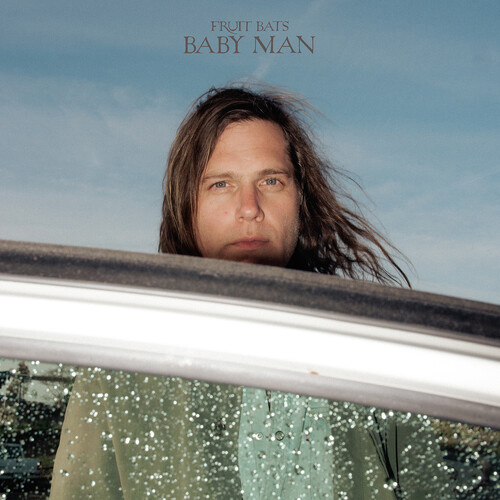
Baby Man: A Tender Evolution in the Fruit Bats Catalog
In the ever-evolving landscape of indie rock, artists often find themselves at pivotal crossroads, compelled to either reiterate past successes or embark on new sonic explorations. For Eric D. Johnson, the creative force behind the beloved band Fruit Bats, his latest offering, Baby Man, represents a profound and deliberate shift. Released unexpectedly after an "accidental" songwriting hot streak, this album challenges conventional expectations, trading the immediacy of catchy hooks for a deep dive into simple, heartfelt tenderness. It's a record that requires a unique mindset from its listeners, inviting them into an intimate world where less truly becomes more.
Those familiar with Fruit Bats' signature sound—the kind that birthed indie anthems like "Waking Up in Los Angeles" or "My Sweet Midwest"—might initially find Baby Man a stark departure. Yet, this is precisely Johnson's intention. Having previously rubbed shoulders with giants and played in seminal bands like Califone and The Shins, Johnson's journey has always been marked by versatility. With Baby Man, he makes no bones about his pursuit of a quieter, more introspective artistry, one that prioritizes authentic expression over overt showmanship. The album feels like a whispered confidence, a collection of compelling numbers designed not to electrify arenas, but to resonate deeply within the quiet corners of the heart.
The Unvarnished Heart: Authenticity and Raw Confession
At the core of Baby Man lies Johnson's unwavering commitment to authenticity. The album thrives on his candid self-reflection, inviting listeners to witness the raw, often vulnerable, landscape of his inner world. Tracks like "Let You People Down" perfectly exemplify this. Beneath its straightforward strumming, Johnson delivers stark confessions revealing a profound desire to end certain things and, ultimately, to prioritize the well-being of others. The power here lies in its unembellished honesty; Johnson isn't just singing words, he's sharing truths he's grappled with, making the track deeply effective and relatable.
This same sincerity permeates "Creature from the Wild," a song that initially feels like an extended metaphor but quickly reveals itself as a moving tribute to Johnson's beloved rescue dog. He paints a vivid picture of the pet's imagined past—running wild in Mexico, living behind a motel with a thorn in its paw and heartworm—before finding a loving home. It's a poignant narrative about a one-of-a-kind relationship, highlighting how this canine companion helped save him and his family, and undoubtedly, vice-versa. This kind of personal storytelling elevates the album beyond mere songs, turning them into shared experiences of love, struggle, and profound connection. It’s a powerful reminder of the deep, often unspoken, bonds we forge with our animal companions, offering solace and strength in challenging times.
Further insights into Johnson's personal journey come alive in "Stuck in My Head Again." Here, he navigates revelations about his past financial struggles, acknowledging, "Yeah, I’ve been poor and now I’m less poor is all / Probably be poor again someday." This stark vulnerability is punctuated by shifts in his vocal intonations, moving from a signature laid-back delivery when describing a tall glass of wine to more intense phrasing during these pivotal confessions. It's this direct, unvarnished honesty that allows listeners to connect on a deeply human level, transcending the typical performer-audience dynamic.
Beyond the Hooks: Johnson's Vocal Artistry Takes Center Stage
While the immediate, earworm hooks of previous Fruit Bats records might be less prevalent on Baby Man, what shines through is Eric D. Johnson's remarkable vocal artistry. His voice becomes the primary instrument, carrying the emotional weight and intricate narratives of each song. Throughout the record, Johnson's vocal intonations work wonders, proving to be a formidable strength. He masterfully modulates his delivery, shifting seamlessly from a relaxed, conversational tone to moments of heightened intensity that underscore key lyrical revelations.
The album’s simple song structures are not a limitation but a deliberate choice designed to place Johnson's voice front and center. This minimalist approach allows listeners to become completely absorbed in his nuanced delivery, catching every inflection and emotional tremor. In the title track, "Baby Man," sophisticated lines of poetry like "I’d never even left the harbor / From the wilds of Ann Arbor, Michigan" breeze across just a few notes, demonstrating how profound meaning can be conveyed with elegant restraint. This track, in particular, showcases how Johnson’s vocal range and expressive capability transform seemingly simple compositions into deeply resonant pieces of art. The obvious takeaway from this meticulous craftsmanship is that sometimes, especially in art, less is indeed more, allowing the core message and performance to truly breathe.
The Minimalist-Maximalist Paradox: A Bold Artistic Choice
Johnson himself described his creative process for Baby Man as a "minimalist-maximalist approach," a paradox that perfectly encapsulates the album's essence. Despite featuring fewer tracks comprising each song—often just Johnson, a piano, or a guitar—his artistry was at its most vibrant. This intentional paring down of instrumentation amplifies the emotional core of each piece, demonstrating that richness and complexity can emerge from simplicity. It’s a testament to his confidence as a songwriter and performer, trusting that the raw materials are enough to create something deeply impactful. For more on this artistic philosophy, you can explore Fruit Bats' Baby Man: Eric D. Johnson's Minimalist-Maximalist Artistry.
For the most part, this restrained delivery works exceptionally well, creating an atmosphere of intimacy and genuine connection. However, there are moments when this "just a man and his piano" approach can stretch Johnson to the farthest reaches of his sound. Tracks like "Two Thousand Four," "First Girl I Loved," and "Year of the Crow," where Johnson leans into a crooner style, occasionally run the risk of becoming tedious. While Johnson is undoubtedly a special talent with a distinctive voice, he’s not Elton John, and those particular stylistic choices might not always play to his strongest suits. It highlights the fine line between artistic bravery and potential overreach, a challenge many artists face when venturing into new territory. Yet, even in these moments, Johnson's sincerity remains undeniable, inviting listeners to appreciate the effort and the honest attempt.
Finding Your Moment: Embracing the Nuances of "Baby Man"
As impressive as Johnson is as a solo artist, Baby Man runs the risk of being a little too even for some listeners. Unlike albums designed for immediate gratification or a high-energy listen, this record demands a particular kind of engagement. It’s not an album to throw on at a party, nor is it likely to provide the sudden shot in the arm one might seek from other Fruit Bats releases. Instead, it thrives in specific contexts, meant to be savored rather than consumed casually.
To truly appreciate Baby Man, one has to be in the proper context. Imagine rocking gently on a porch swing as dusk settles, or sharing quiet drinks and hors d’oeuvres before dinner, allowing the music to become a subtle, enriching backdrop to reflection and conversation. These are moments when the album's contemplative beauty truly shines. When the mood hits just right, Baby Man transforms into the perfect record—a comforting presence that feels deeply personal and profoundly resonant.
Practical Tips for Immersive Listening:
- Create an Atmosphere: Dim the lights, put away distractions, and settle into a comfortable space.
- Focus on Lyrics: Johnson's honesty is the album's backbone. Pay close attention to his words for the deepest connection.
- Embrace Solitude: While it can be enjoyed with company, a solo listen allows for maximum introspection.
- Revisit Repeatedly: Like a fine wine, some albums reveal their complexities with each listen. Give it time to grow on you.
- Engage with the Stories: Think about the personal narratives Johnson shares and how they relate to your own experiences.
For many, Baby Man will likely be relegated to outlier status in the broader Fruit Bats' catalog—an LP to dust off for those specific moments when introspection calls, or when a tender, honest sound is precisely what the soul craves. It's not designed to be a chart-topper, but rather a cherished, intimate companion for life's quieter, more reflective passages.
Conclusion
Baby Man stands as a unique and brave statement in the illustrious discography of Fruit Bats. Eric D. Johnson’s deliberate pivot towards "simple tenderness" and unvarnished honesty offers listeners a deeply personal and often poignant experience. While it may not deliver the immediate gratification of his earlier, hook-driven work, its strength lies in its profound authenticity, Johnson's captivating vocal performances, and its ability to create an intimate atmosphere. For those willing to adjust their listening mindset and embrace its minimalist-maximalist artistry, Baby Man reveals itself as a beautifully crafted album—a quiet triumph that serves as a testament to the enduring power of sincerity in music.